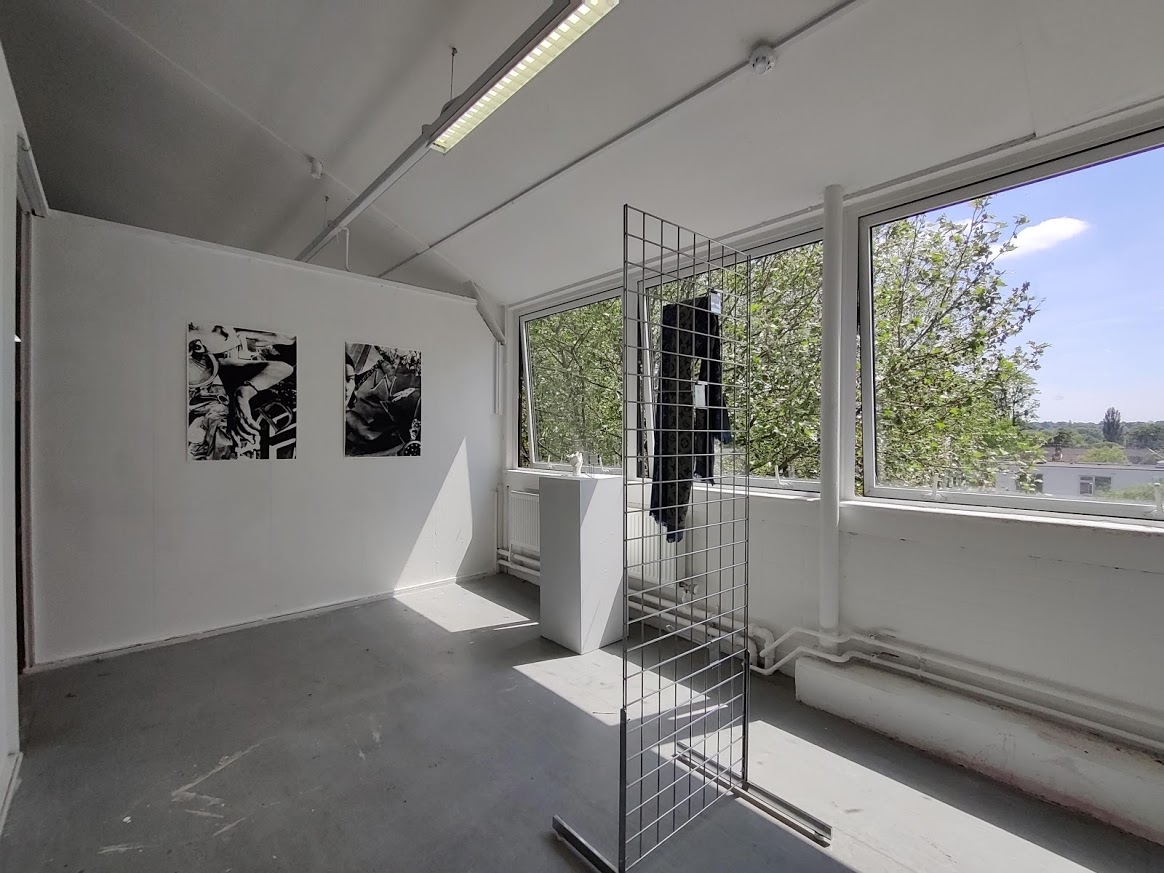
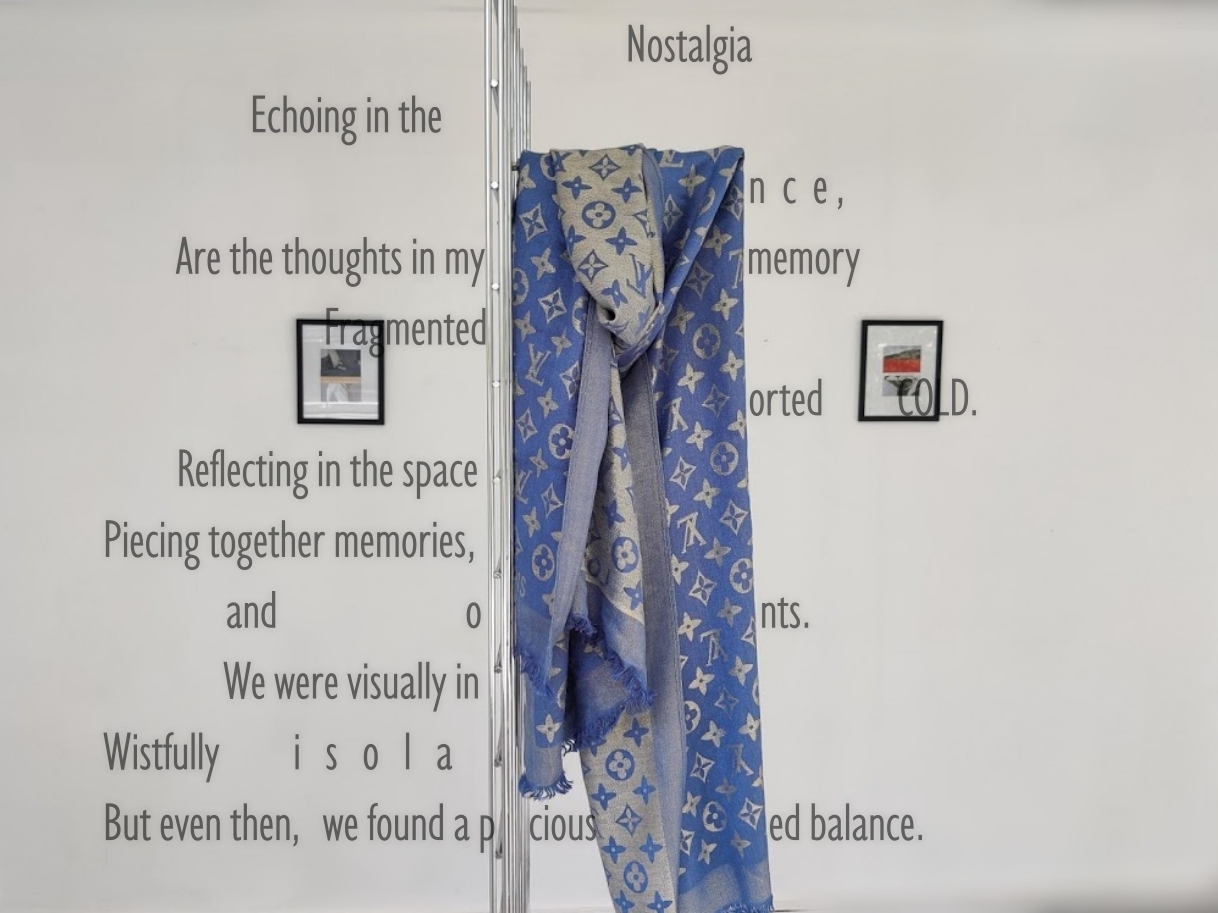
In her practice, Whitcher finds herself returning to themes of the commodity (fetish), advertisement, display, and the role of real or ‘performative’ bodies. The commodity – defined by Karl Marx as ‘an object outside us, a thing that by its properties satisfies human wants…’ – has allowed Whitcher to notice how a person’s materialistic instincts leave them caring more about objects over anything else.
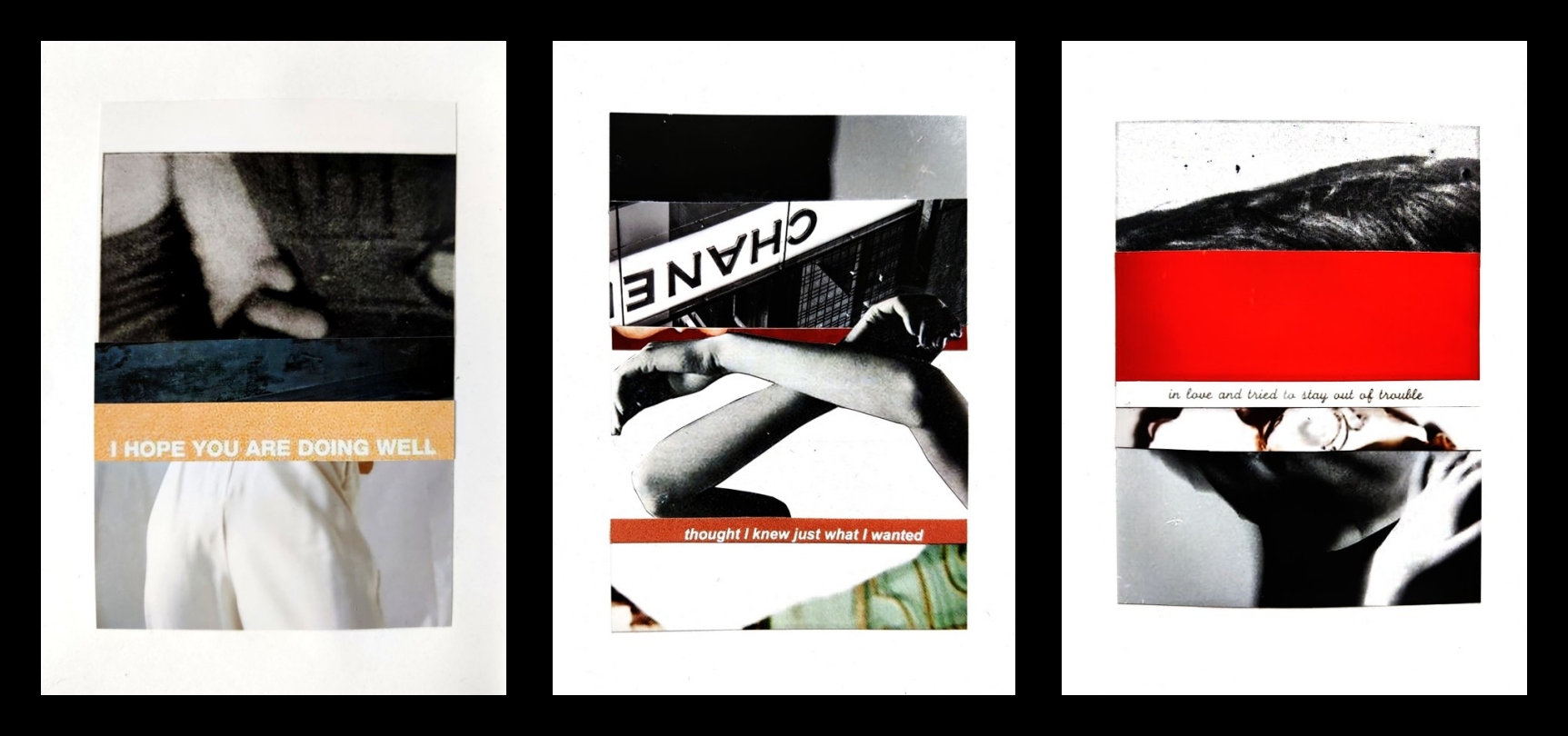
Whitcher has explored her own personal experiences with the commodity, and through photography and collage reflects the idea of ‘being in love’ with the things we buy. In some work, Whitcher performs with the object, using the fetishism of the commodity to challenge a romanticisation of consumer desires, as if the commodity is something sensual and intimate. This absurdity and physical connection of intimately engaging with her belongings is contradicted by her personal writing. Whitcher’s use of the artifice allows for the viewer to personally interpret this sense of satisfaction, intimacy and desire before realising its true intentions, whilst her confessions allow an exploration of her own consciousness alongside society, consumerism and capitalism.
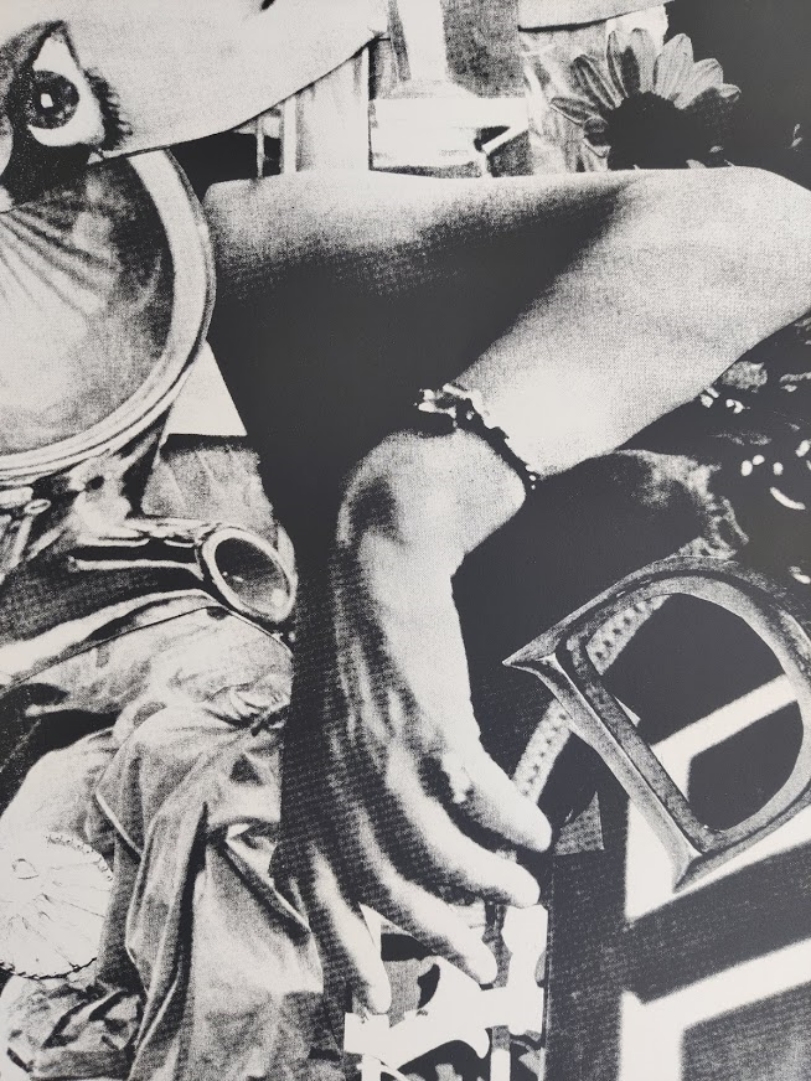
Whitcher’s work is also inspired by the manipulation and dismemberment of the female. Taking the performative posture and intended mannerisms of the female form, Whitcher argues how females are constantly posing, which Erving Goffman brands as ‘the feminine touch’. By breaking up the female body into parts, Whitcher hopes her viewer will reconsider the role of the female as something realistic – away from being signs of domesticity, sexuality, docility and a circulation of commodity goods. Although Whitcher works between disciplines, she reflects and rethinks the boundaries between the public and private with her own experiences, which reflect the social and political ideologies that exist within everyday life.


 BA (Hons) Fine Art - Farnham
  Rose Sambrook | Fine Art