Questioning the relationship between the physical and the virtual, Julia Da Costa’s practice focuses on the realities and sensory experiences of the non-human being. Particularly intrigued by in-between life forms that challenge notions of the imaginary, her work spans animation, sculpture, painting, film, text, and performance. Inspired by rhythms of biological movement and sound, this approach aims to create immersive situations which envelop and challenge conventional ways of looking and listening.
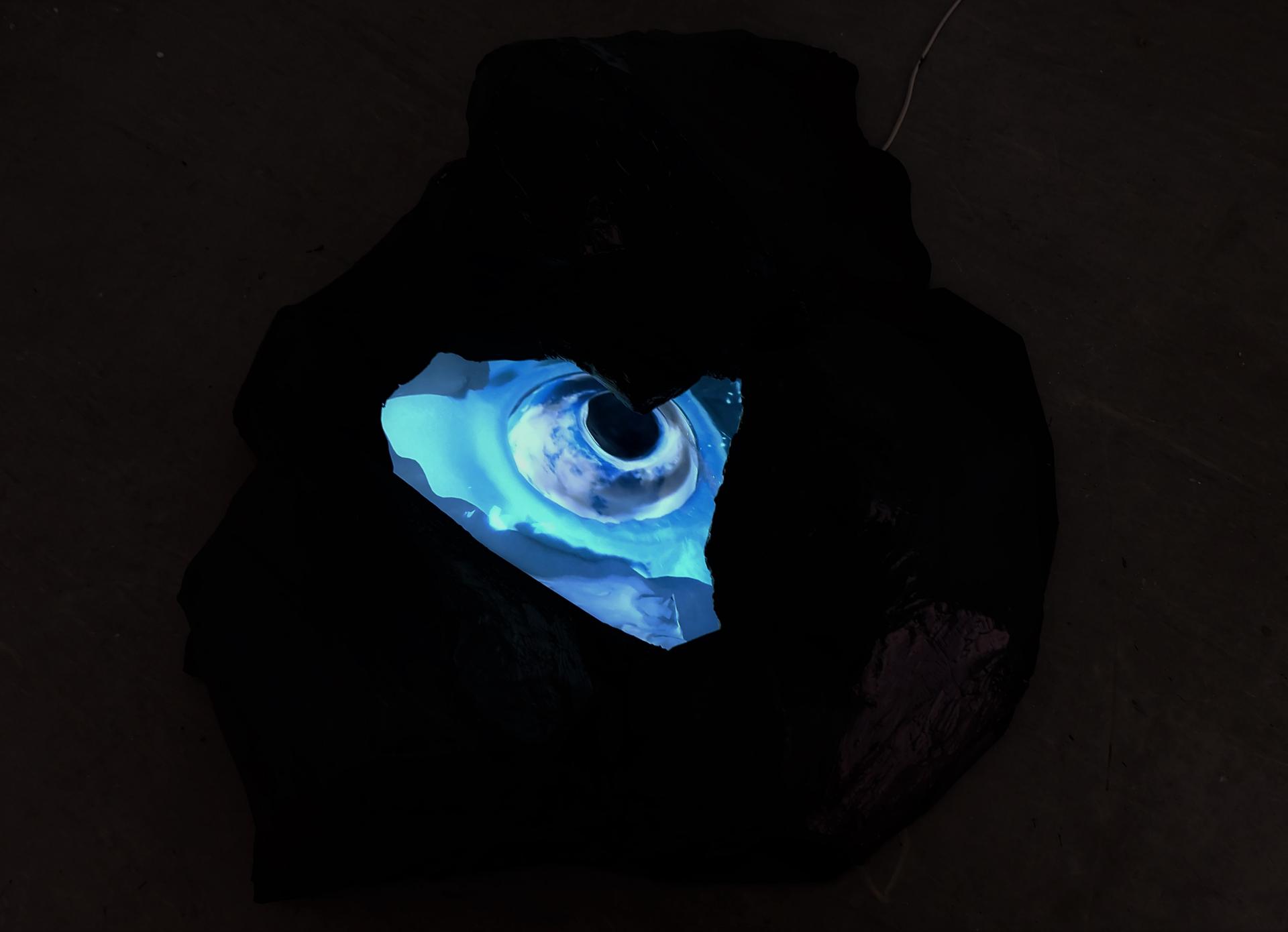
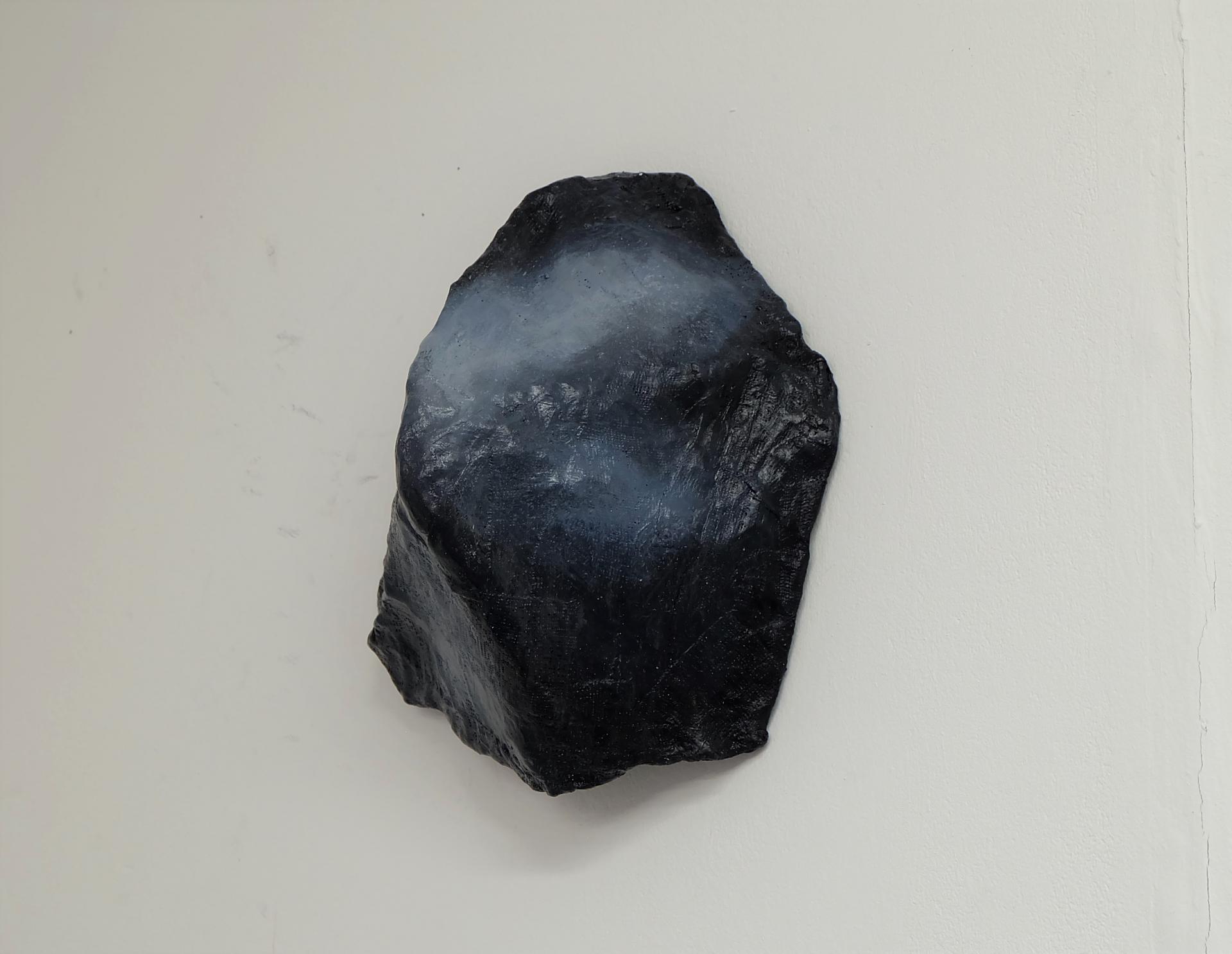
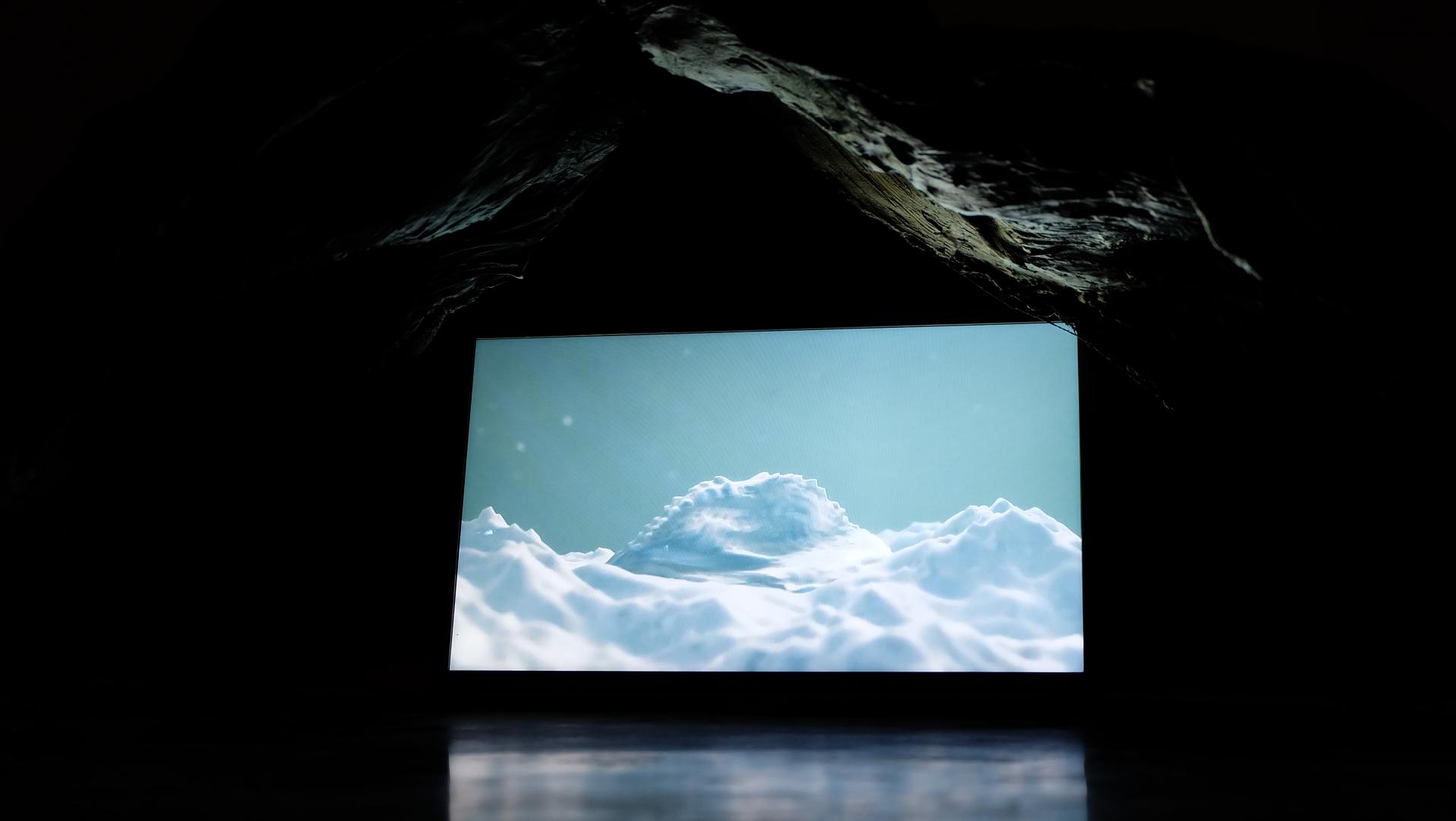
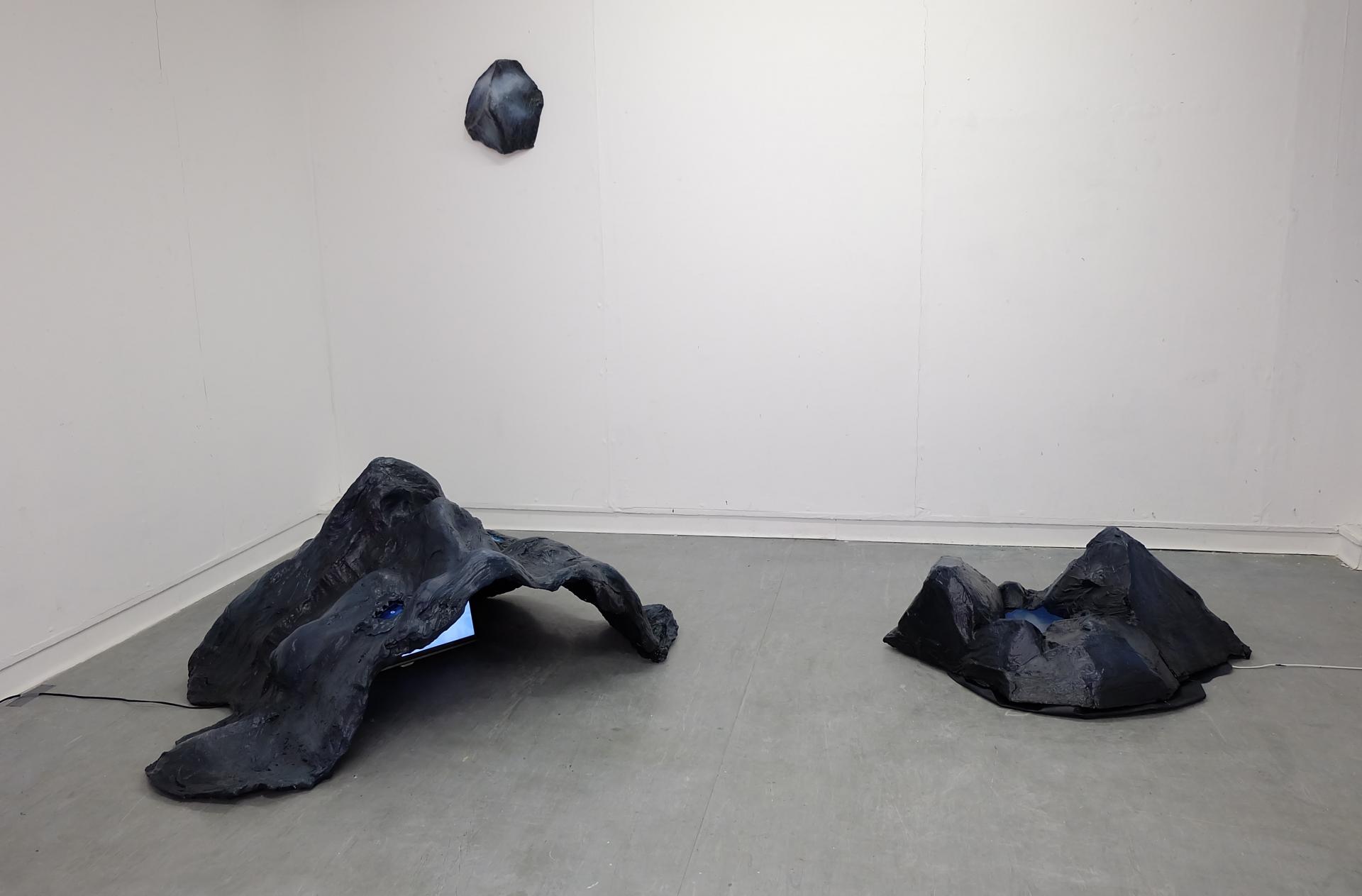
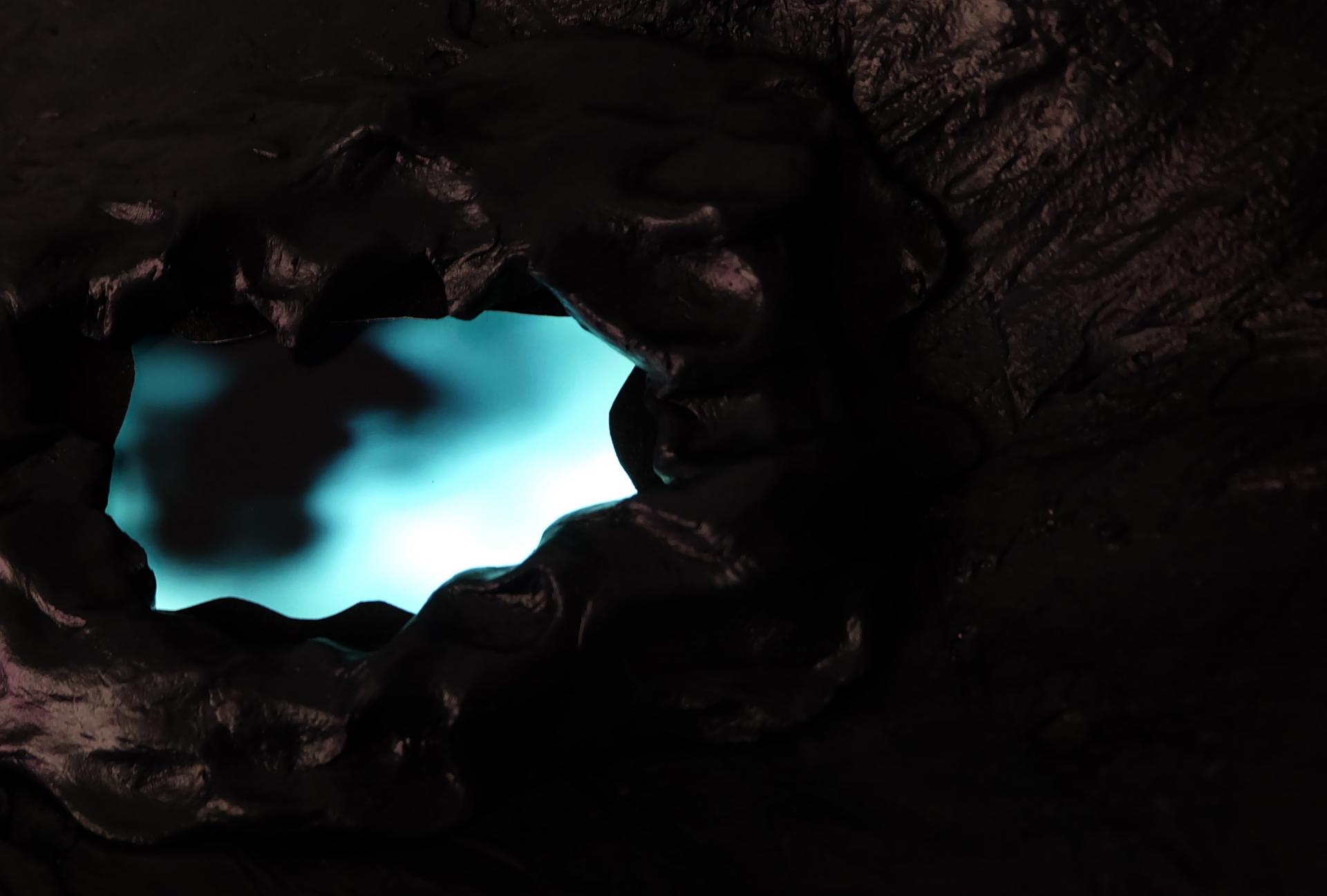
“Mutual Skin and Endo-gaze” is a multimedia installation, bringing together sculpture and digital animation. In Donna Haraway’s concept of the ‘techno-remora’ (When Species Meet, 2008, pg. 253) primitive notions of animal companionship/kinship collide with the image of a slick, technical cyborg. These works draw upon this heterotopic idea, where technological and organic sounds and textures are combined to a point where they are not opposed, but symbiotic.
The sculptures form an impression of an ambiguous ecosystem – an environment of techno-organs for the viewer to experience in various proximities. Speculating on how technology is often seen as parasitical or de-humanised, the animations challenge the idea of a fixed anthropocentric narrative. Instead, a collection of weird forms take hold, forming a space where the viewer can be in contact with the virtual and physical simultaneously. Hope for the future, or a glimpse of a primordial past?

 BA (Hons) Fine Art - Farnham
  Elisa Benagoune | Fine Art