Both the textile and leather industry in Nigeria have depreciated over the years and are now underutilised. The production of the necessary raw materials needed to facilitate these industries requires man to interact with the Flora(cotton) and Fauna (Cows, goats, sheep) in the ecosystem to produce finished goods for consumer patronage, and patronage was once high, but what were once booming industries ages ago, and brought prosperity to the nation is now a cause of ridicule to the economy of Nigeria. The impact this has on the younger generation is that those who have a genuine talent and interest in these industries end up pursuing academic professions that they have no interest in either due to pressure from their parents or the situation of the economy. This accompanied by a lack of economic development has lessened the worth of these industries.
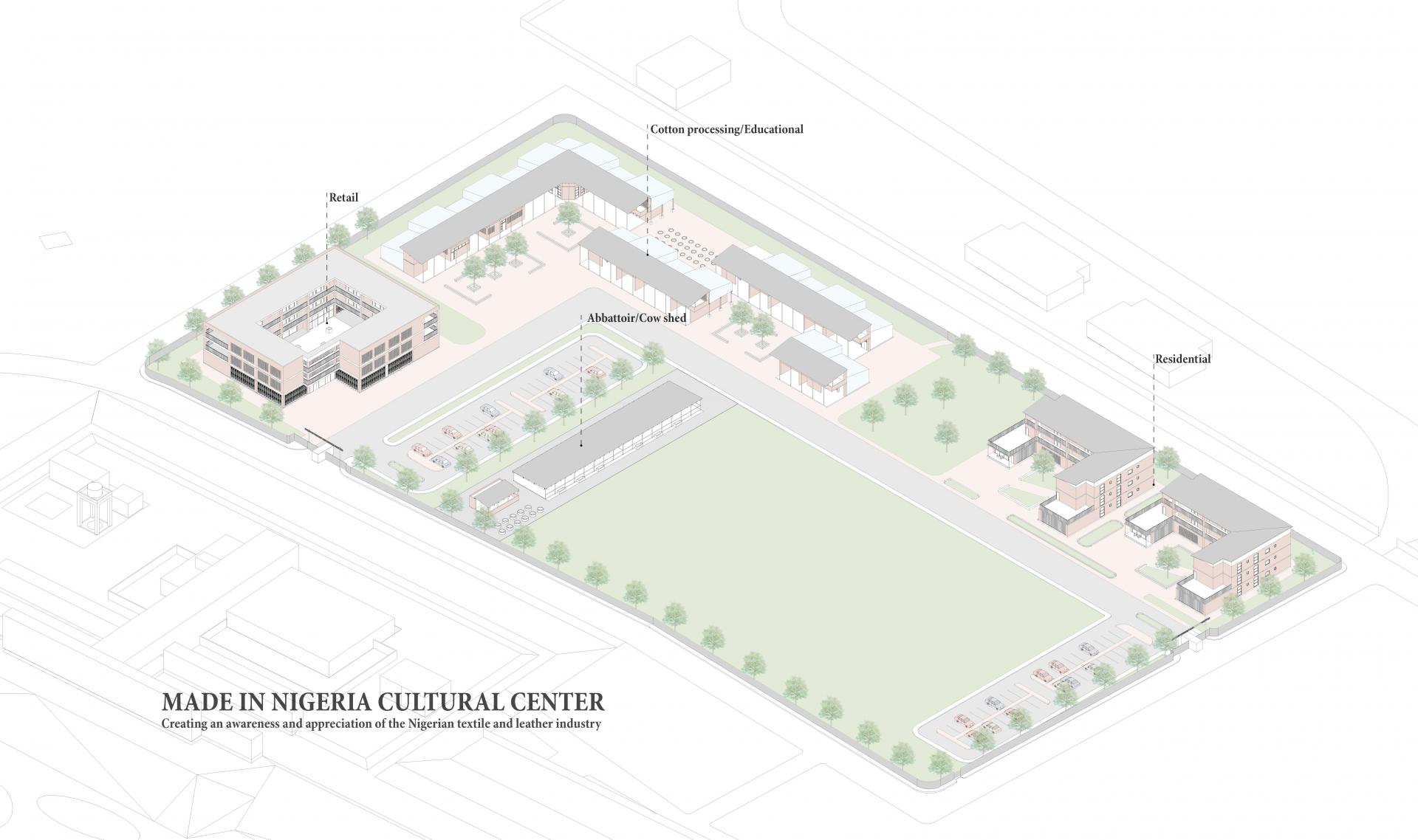
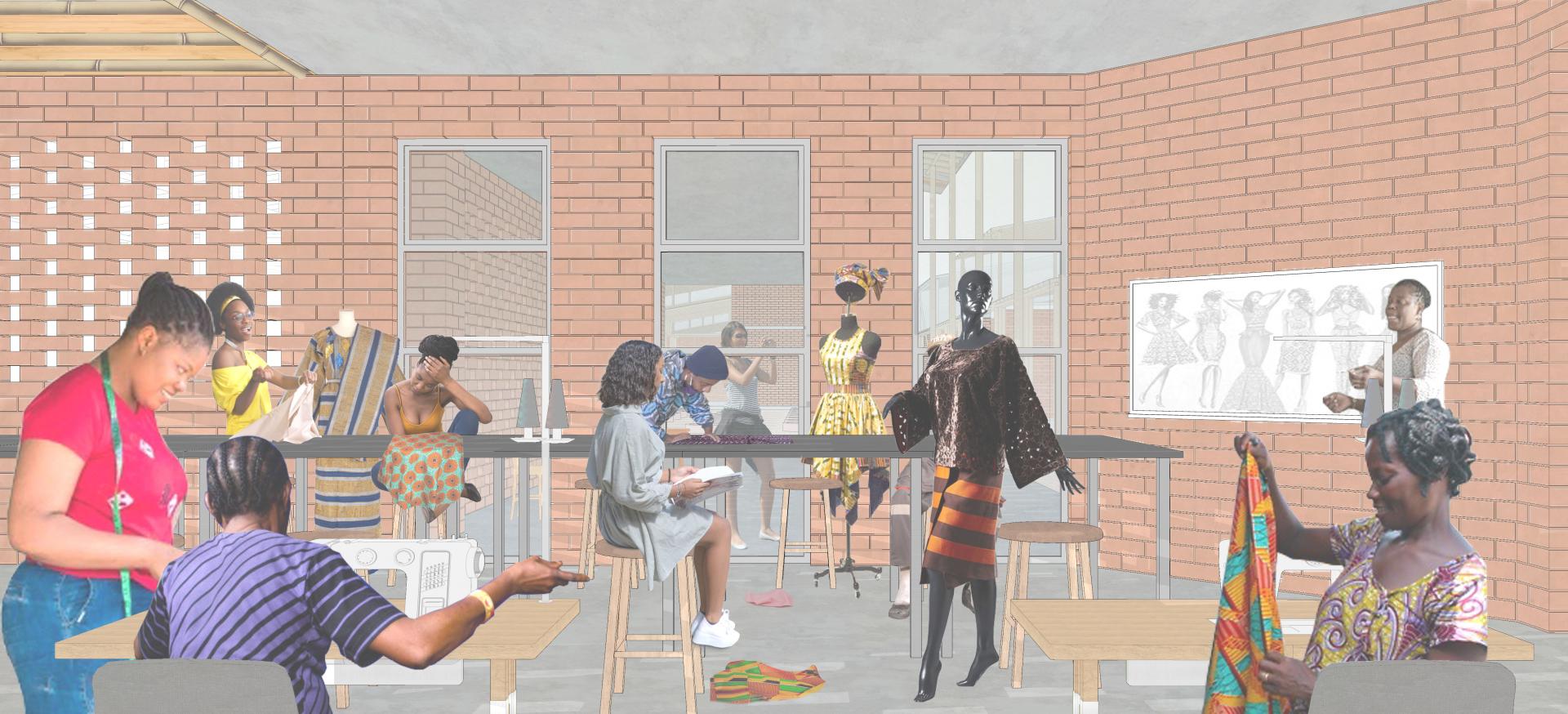
Made in Nigeria cultural centre is a cultural centre in the Kukwaba district of Abuja that supports the knowledge and mastery of textile and leather amongst diverse ethnic groups. This proposed development provides opportunities for the younger generation to learn and create handcrafted uniquely designed fashion products for distribution to a wide range of consumers both locally and internationally. This aims to encourage Nigeria to look within itself for economic growth and utilise the textile and leather industry to create jobs, reduce reliance on imported goods, and create a globally competitive finished textile and leather brand for Nigeria, from Nigeria, that is not only accessible to a small minority.
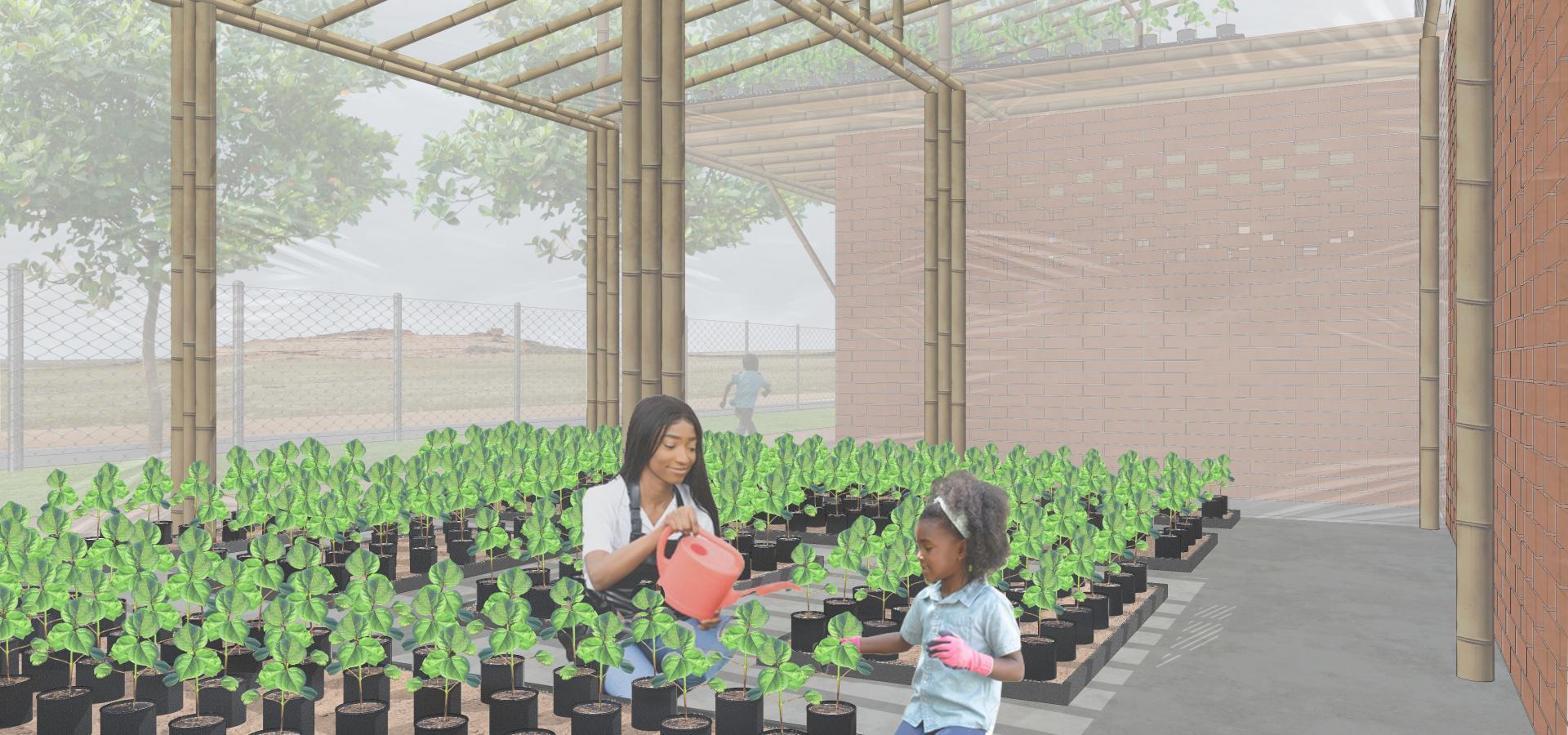
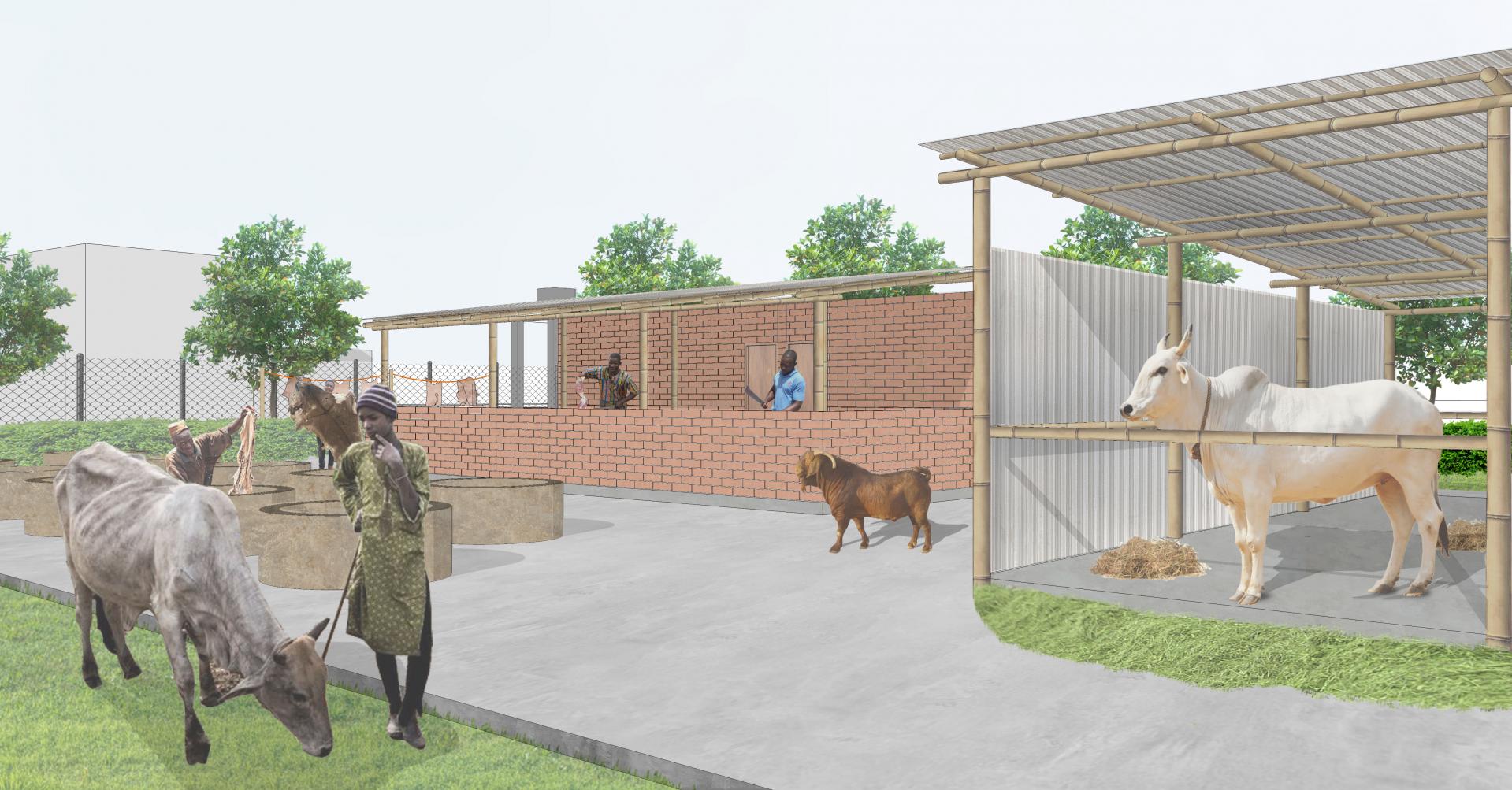
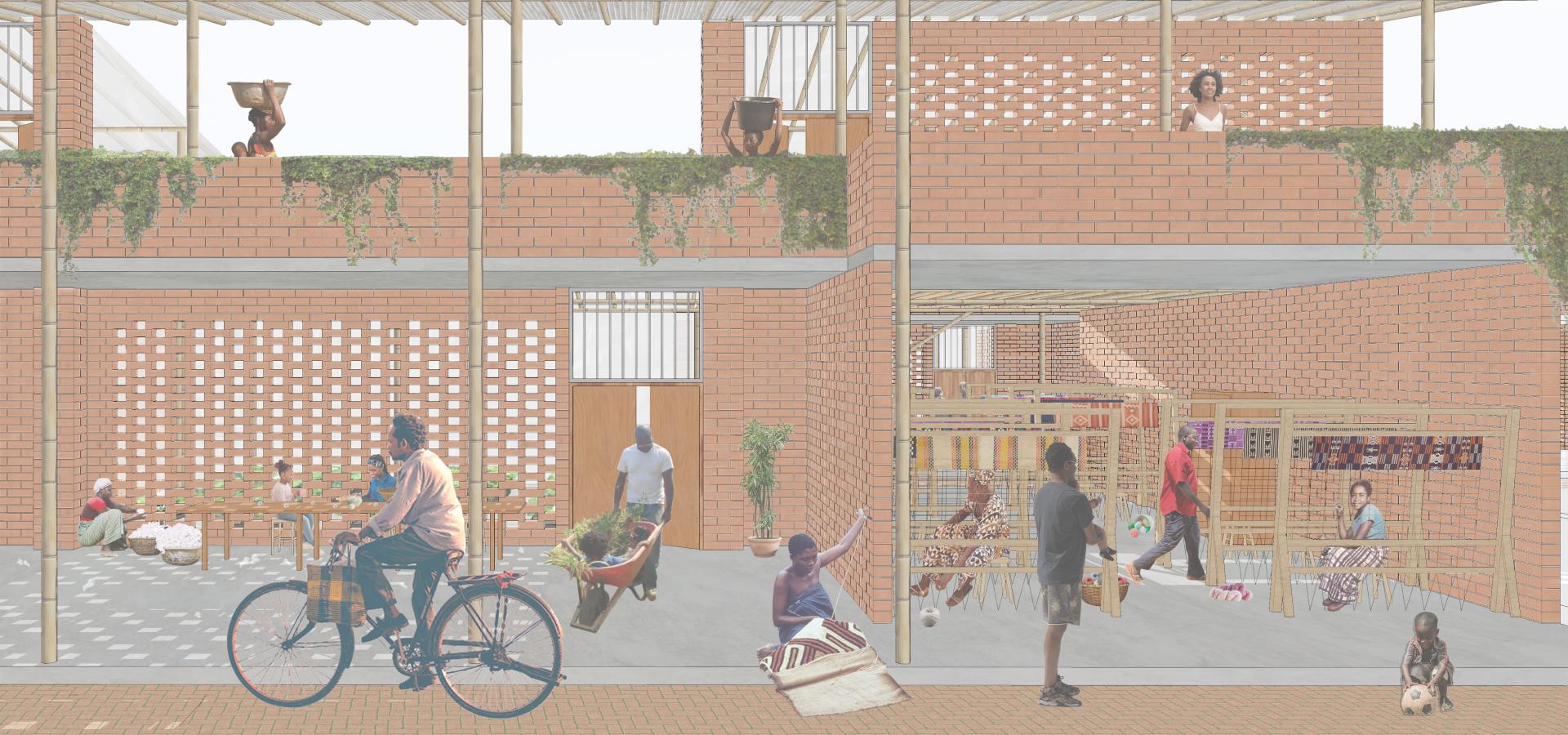
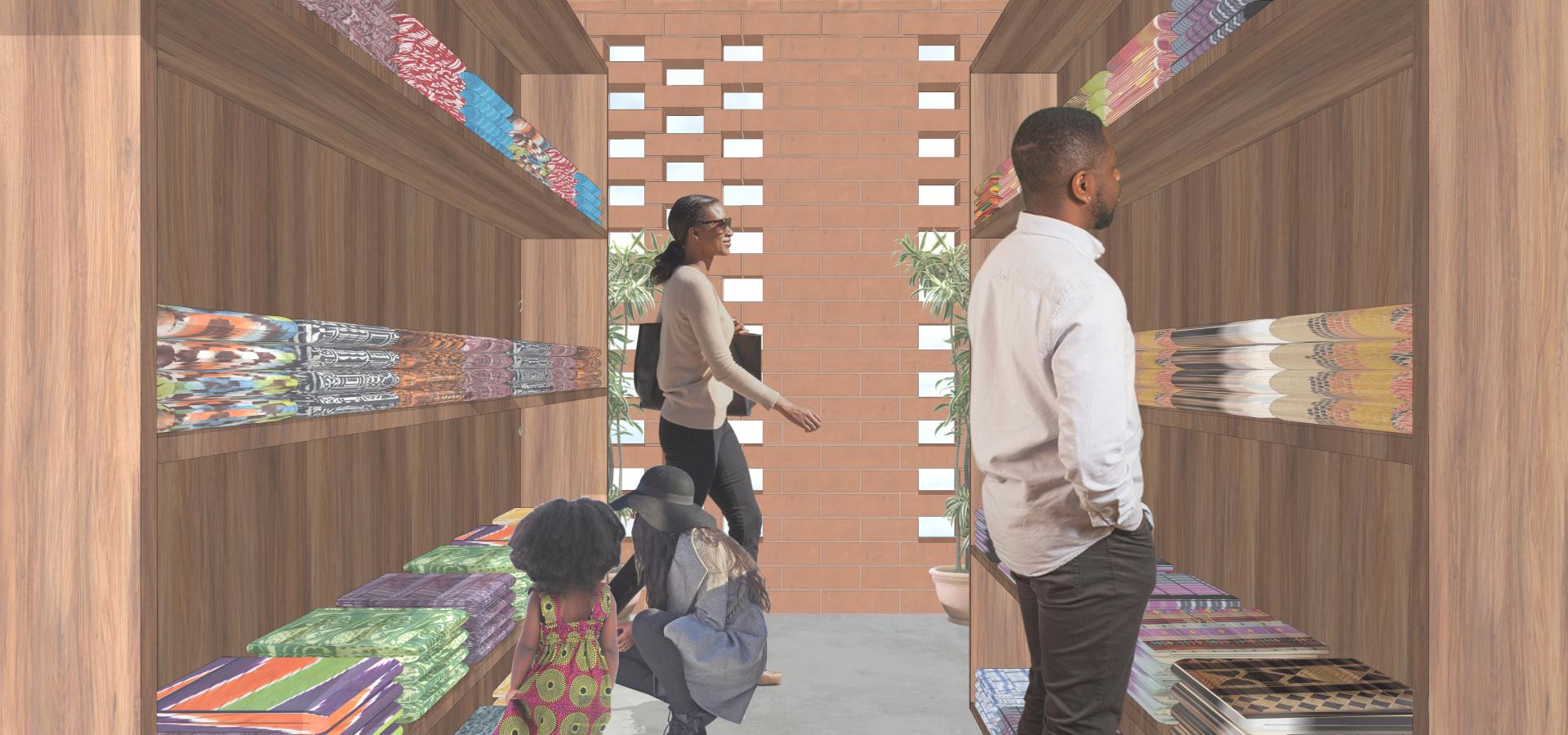
Made in Nigeria cultural centre facilitates the production, education, and distribution of locally handmade textile and leather in the hope to promote and create awareness and appreciation of this dying industry also keeping in mind the application of vernacular architecture to suit the region by enabling passive ventilation, and reduce the cost of production using locally sourced materials i.e. bamboo and brick and also support local brick manufacturing business because brick is currently not a celebrated building material in Nigeria whilst enabling the end-users to live, work, learn and shop.
 Architecture
  Lewis Winch | Architecture