The Free Port
The Hyper Port of an International Trading City
Hong Kong has been an international trading city since the 19th century, but it is now at a crisis point in history. With all the changes in both legal and political status of Hong Kong in recent years, the unique identity and reputation of Hong Kong, under the “One Country, Two Systems” framework agreed in the Sino-British Joint Declaration in 1984, are now at risk. This may affect the future of Hong Kong as an international trading city. What can be done to save the identity of an international trading city?
Hong Kong has been an important and unique window city to the People’s Republic of China, which Hong Kong is the second-largest trading partner with the Mainland China besides the United States, according to the total trading number from both the National Bureau of Statistics of China and the Trade and Industry Department of Hong Kong. Hong Kong is also ranked 8th as one of the top trading countries, including import, export and re-export, with its unique identity and reputation through the years. But recently with the amendments of laws and changes to the legal system, such as introducing the enforcement of laws of China in the “Mainland China port area” at the high-speed rail station of Hong Kong. This raised public concern that the enforcement of the law of China may be against the Basic Law of Hong Kong, and it also raises the international concerns of identity for Hong Kong. The introduction of China’s legal area in Hong Kong is causing irreparable damage to the identity and reputation of Hong Kong from a global trading point of view, as well as the Extradition Law Amendment Bill and the National Security Law. So what can be done to save the identity of Hong Kong as an international democratic trading city?
What if there was a democratic twist to the city of trade? What if the introduction of the China legal area is just the first step to introduce a mini global village of trade?
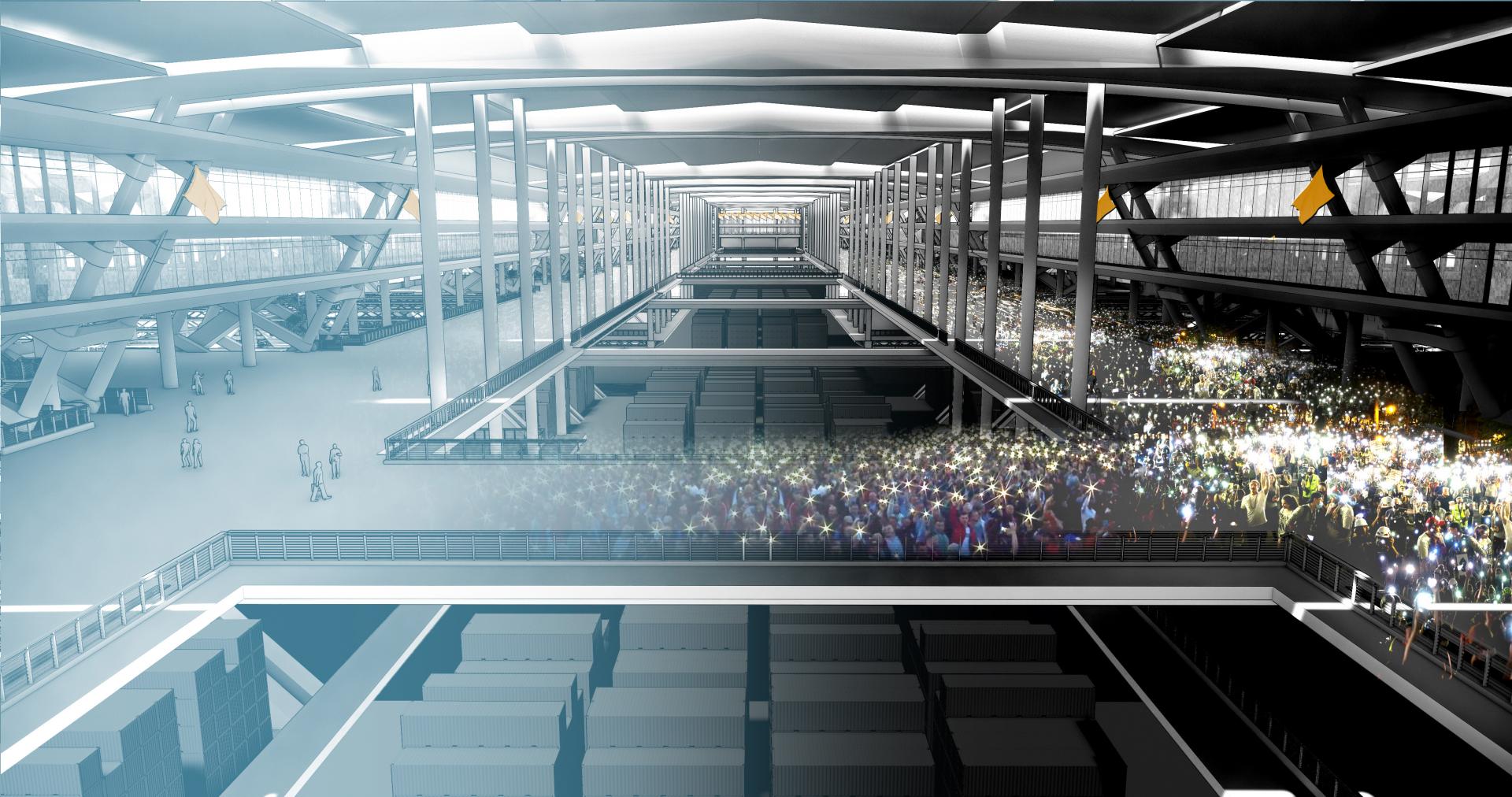
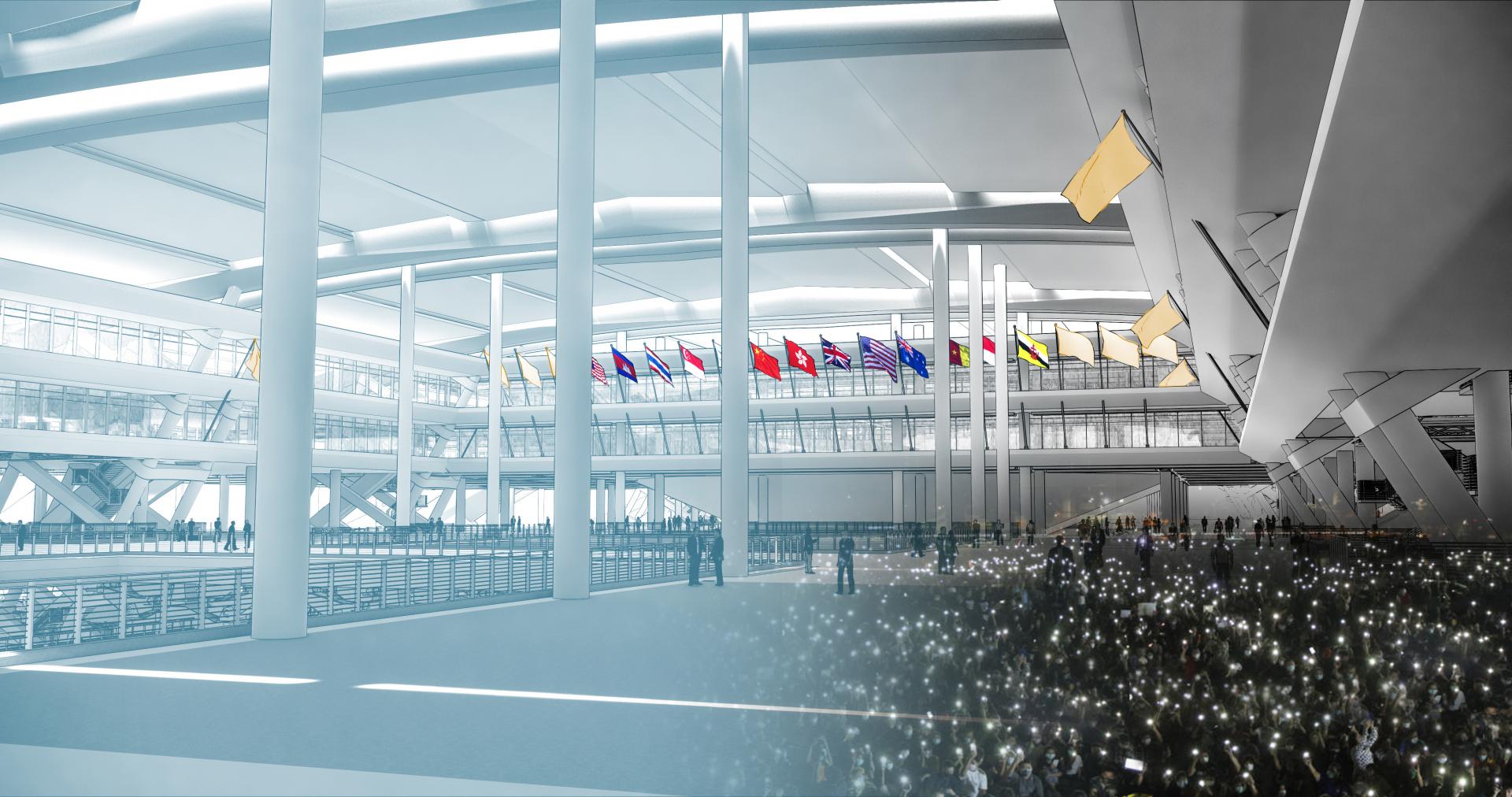
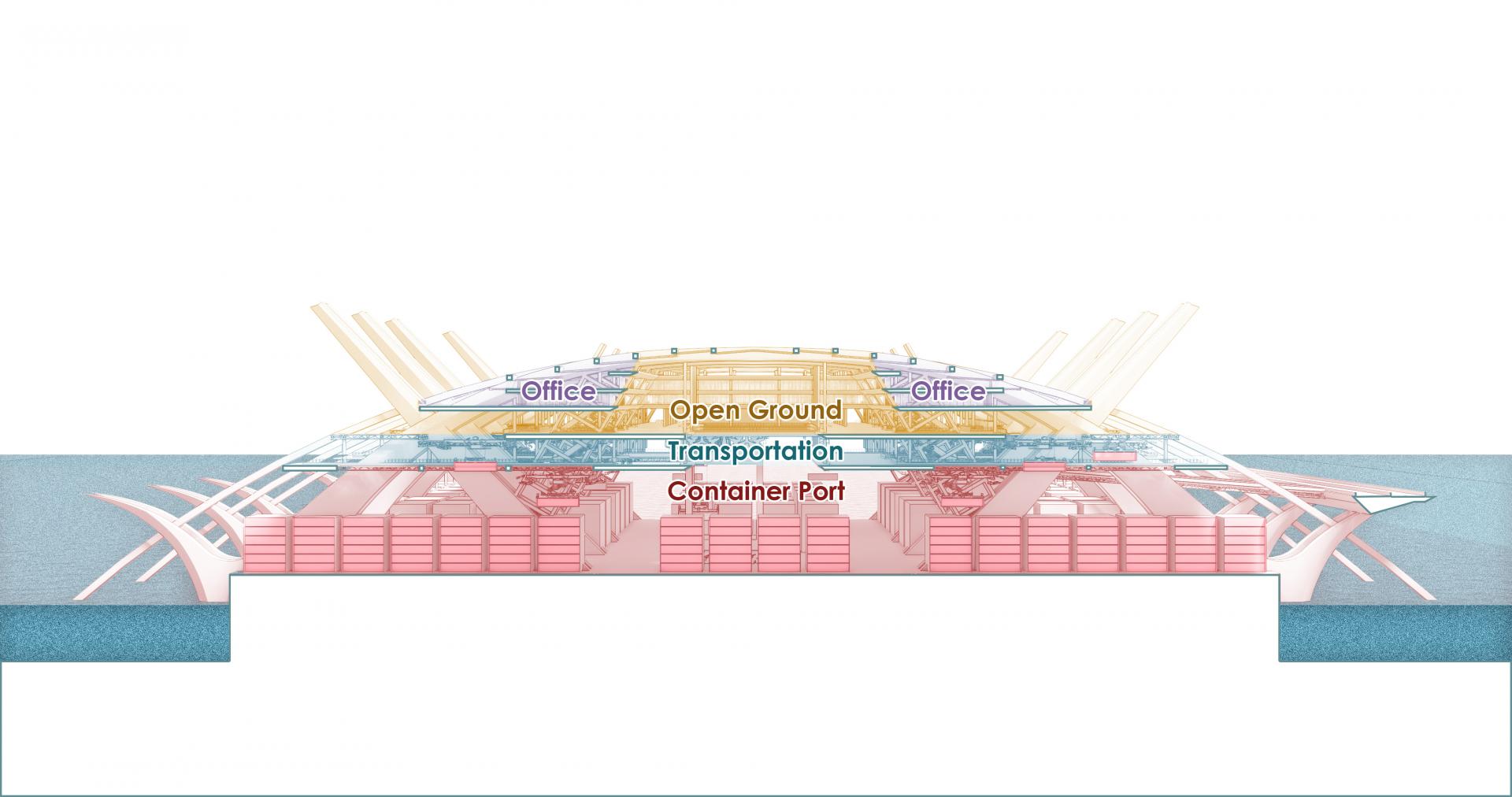
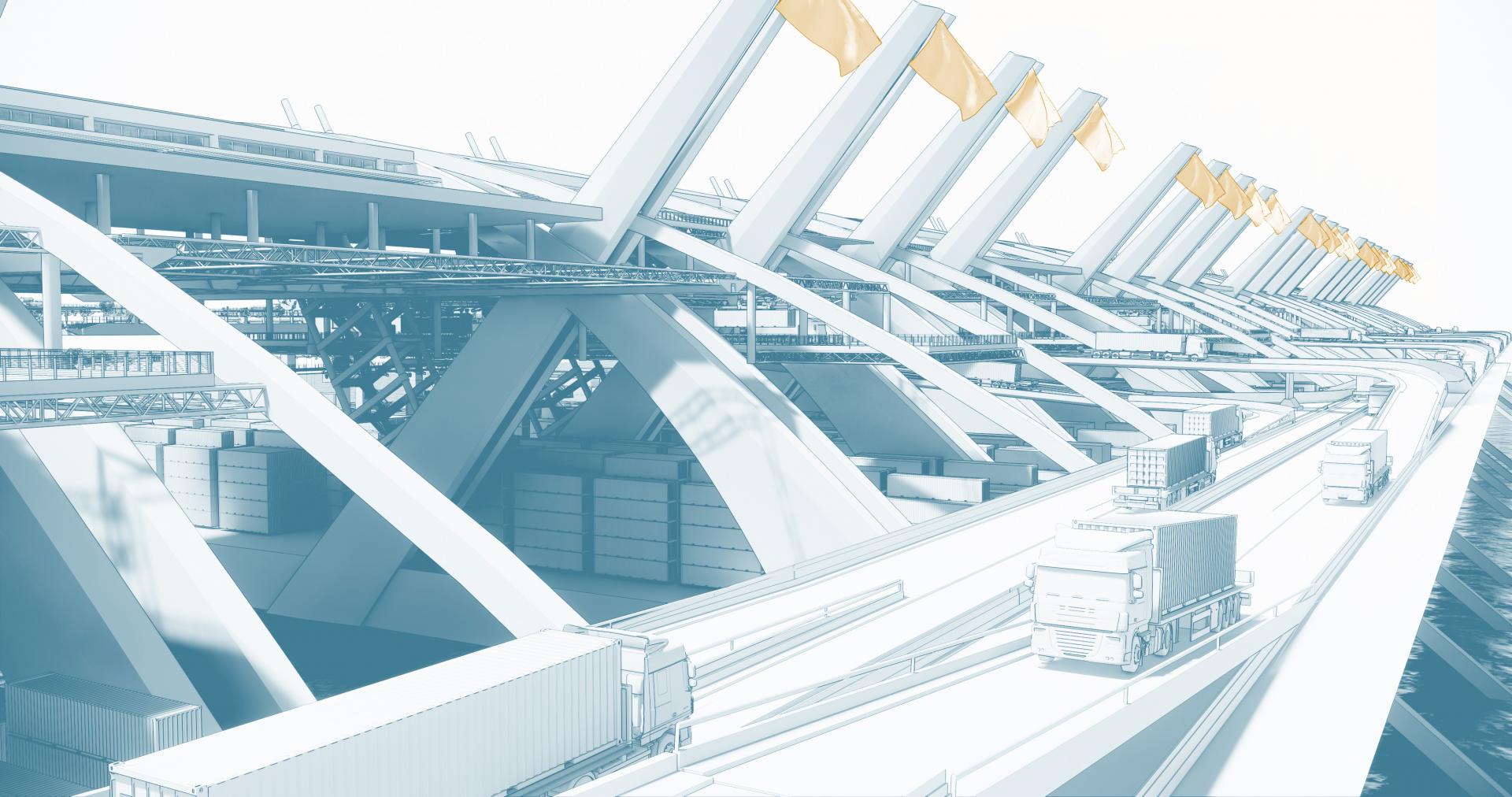
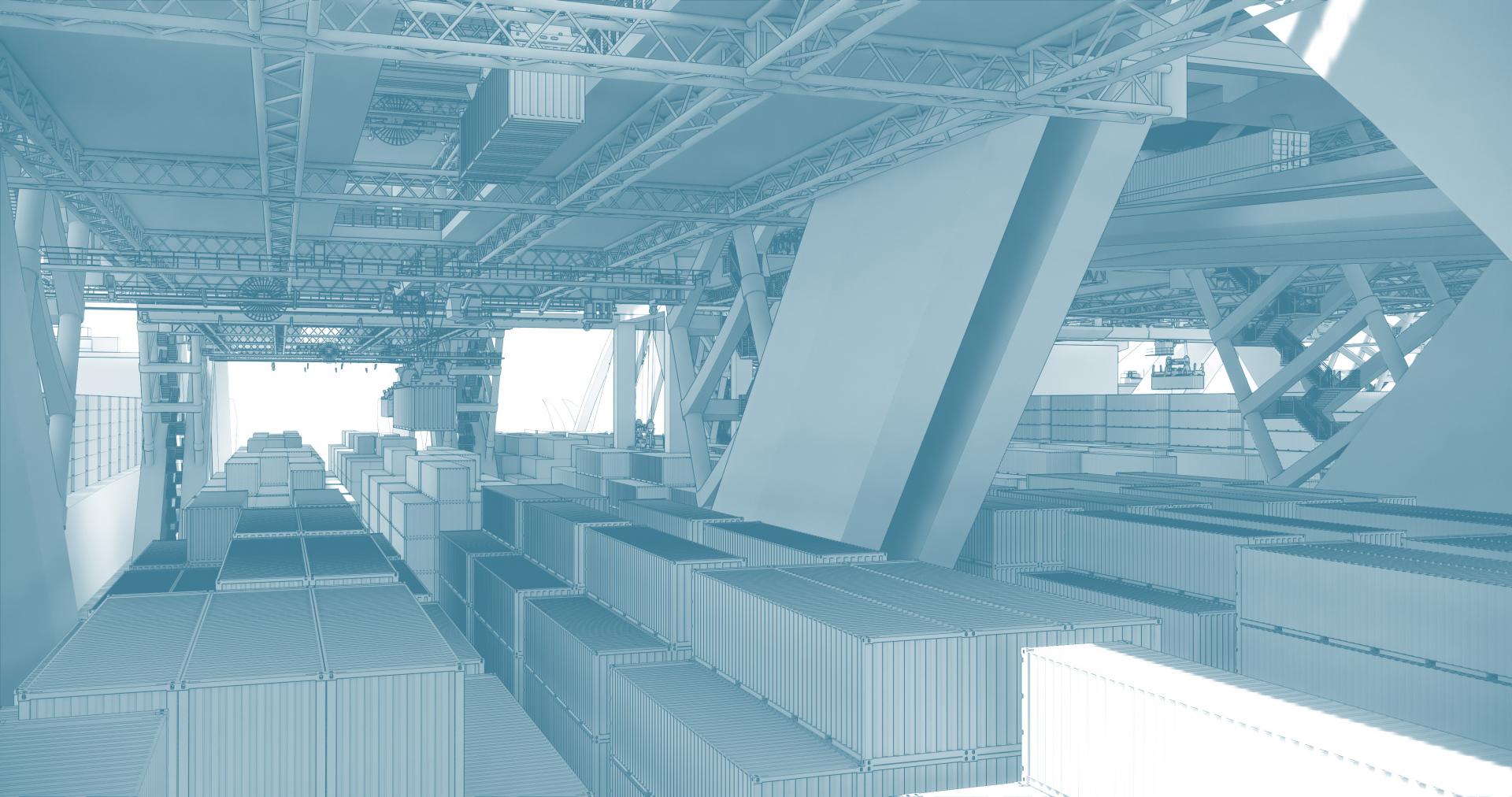
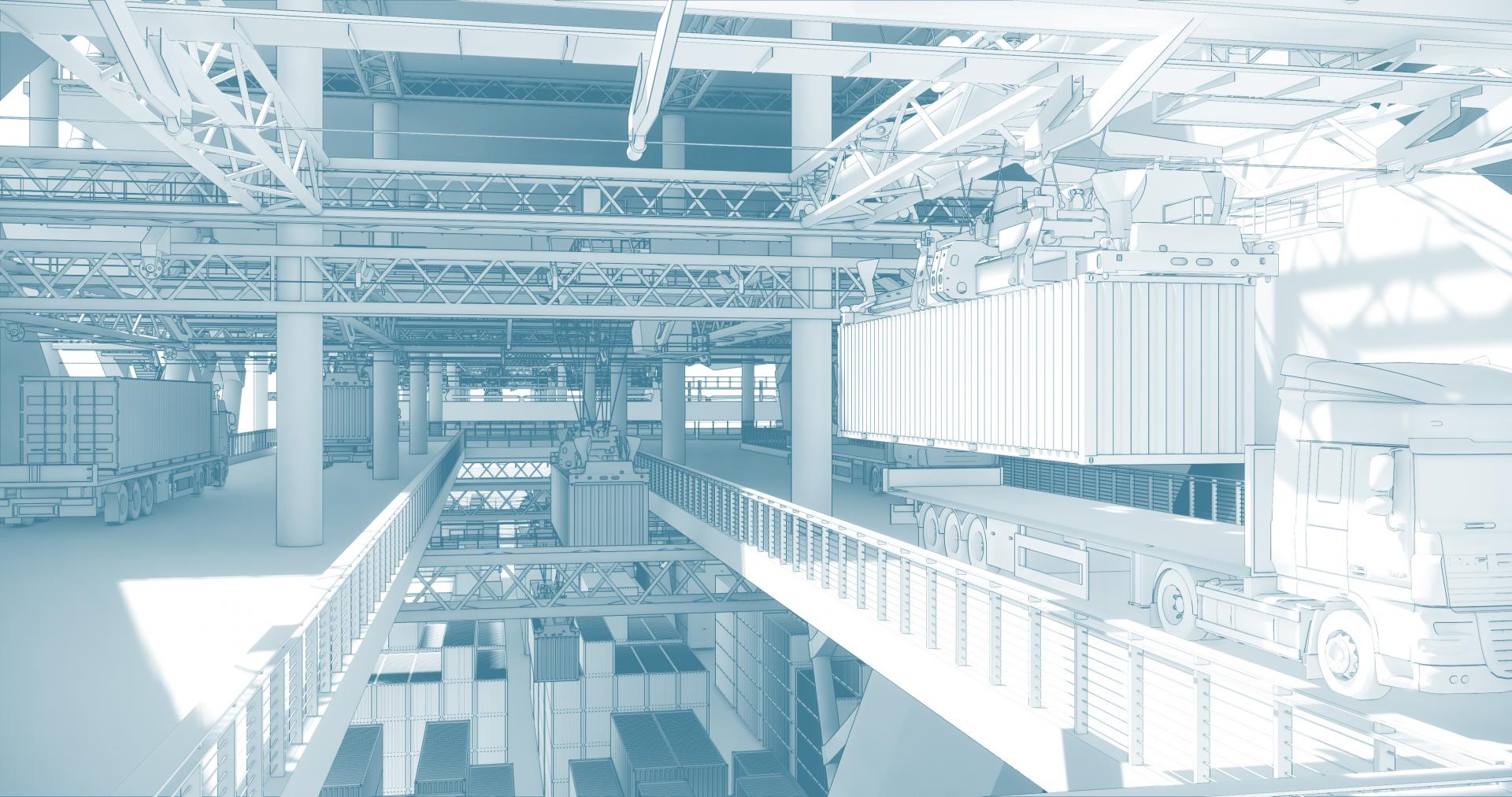
The Free Port is a complex of the international embassy and congress buildings, on top of an extension to the cargo port of Hong Kong. With the uniqueness of the legal area, same as the China legal area in the high-speed rail station, open ground of trade could be provided. With the Free Port, Hong Kong would stay the same as the most democratic international trading city in the world and also keep the transition role as the window city of trade for the benefit of Mainland China.
 Architecture
  Rumeysa Aykal | Architecture